Regenerative Agriculture
What is Regenerative Agriculture?
Regenerative agriculture is a way of farming that focuses on restoring and improving the health of the land, rather than just producing crops or livestock. The goal is to make soil, ecosystems, and farming communities healthier over time, so the land becomes more productive and resilient instead of being depleted.
For Soil Grown Farms, this means rotational grazing, sustainable practices, organic materials, and cruelty-free treatment of all animals.
Why Does it Matter?
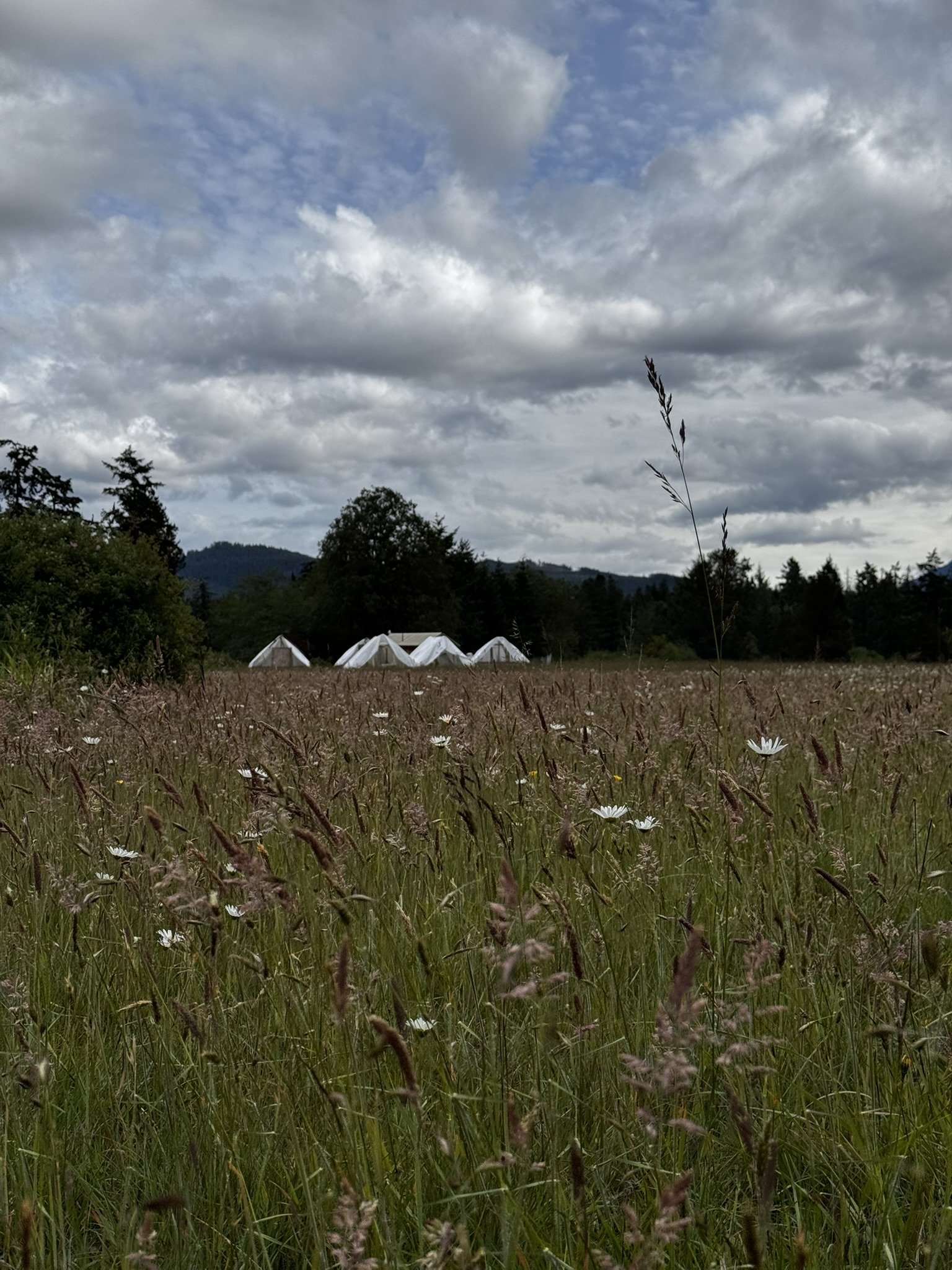
Regenerative Agriculture is more carbon friendly, helping battle climate change, as well as protecting and building soil health, supporting long term food security, and increasing biodiversity.
Regenerative Agriculture sets farms up for the long run, and ingrains respect for the land that we are farming on.
It’s more than a method of farming, it’s a constant process of sustainability and big-picture thinking.